
Laird Burnam Holt
Laird Burnam Holt was the 10th coach for the Greeneville Greene Devils.
Laird Holt’s football career stretched from Battle Ground Academy in the 1920s through the early years of Robert Neyland’s Tennessee program, then through high school and college coaching jobs in Tennessee, Mississippi and Kentucky before World War II brought his coaching career to an abrupt end. After the war, he was in contention for head coaching positions at the college level, but instead remained in California and built a successful business reconditioning athletic equipment.
Early Years and Battle Ground Academy
Holt was born Nov. 28, 1908, in Franklin, Tennessee, into a family already associated with Tennessee football. His older brother Robert “Tarzan” Holt played football at Tennessee from 1920 through 1923, was All-Southern in 1922 and team captain in 1923. Robert later entered coaching himself, including a stint at Tellico Plains, where Laird would eventually begin his own coaching career.
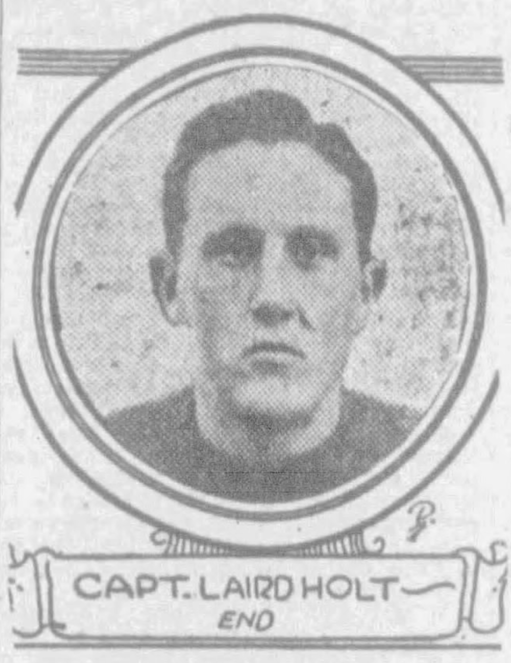
The reputation of “Tarzan” Holt inevitably followed his younger brother. Newspapers often referred to Laird as “Little Tarzan,” but Laird talked about the difficulty of playing in the shadow of an older brother who had become one of Tennessee’s best-known ends. Holt did not appear interested in competing with his brother’s reputation. “I see no reason why they should compare me to my brother,” he told the newspaper. He added, “Bob was the most outstanding of the two.”1
Holt played fullback at Battle Ground Academy in Franklin. During practice, a player blocked Holt and broke his nose, but Holt continued playing. He was elected Battle Ground Academy team captain for 1927 and played end, the position he would later play at Tennessee.2
The University of Tennessee Years
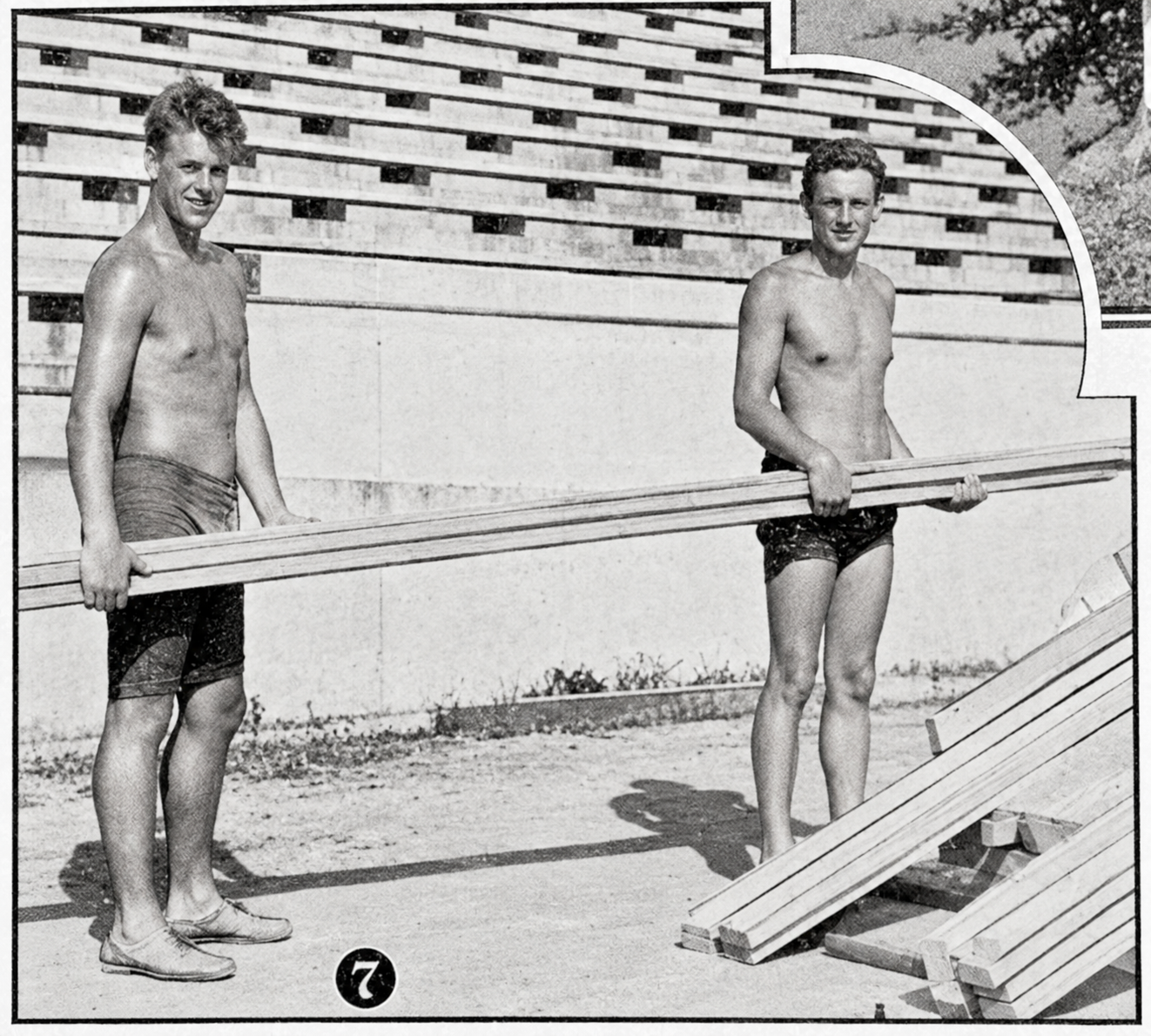
Holt entered the University of Tennessee in 1928. He played on Tennessee’s freshman team in 1928, then earned three varsity letters from 1929 through 1931. His freshman season also introduced two names that would later become closely connected to Greeneville football history: Buddy Hackman and Ty Disney. All three were commended for their play during that freshman year.3
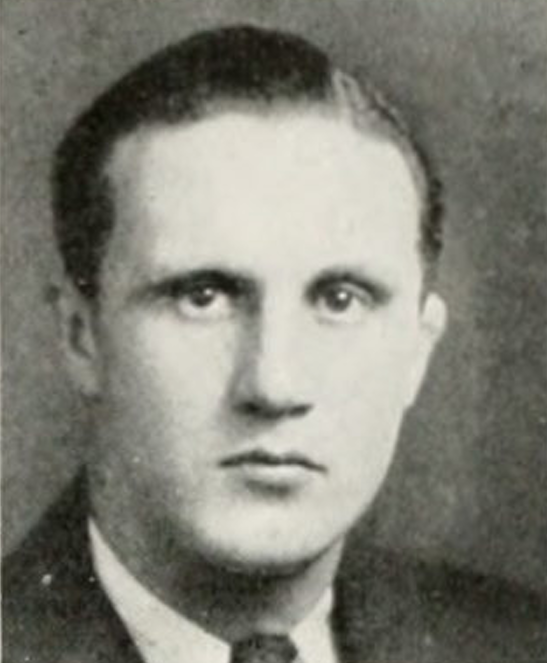
A member of the Alpha Tau Omega fraternity, Holt moved into Neyland’s varsity program in 1929. Tennessee’s roster that year included Holt at end and a remarkable collection of backs that included Bobby Dodd, Gene McEver, Buddy Hackman, Ty Disney and Quinn Decker. Decker’s name would reappear in Holt’s life more than a decade later.
Hackman and McEver were the well-known “Hack and Mack” combination and were also called Tennessee’s “Touchdown Twins.” Holt was not one of the headline stars of those Tennessee teams. Contemporary descriptions instead consistently portrayed him as a dependable reserve end who could be trusted when called upon.
He earned his first varsity letter in 1929, but he nearly ended his Tennessee career before the 1930 season. Before the season began, Coach Neyland received a letter from Holt, who was home in Franklin, saying that he would not return to the university that fall. His anticipated absence was reported in newspapers as Tennessee faced concerns about its depth at end.4
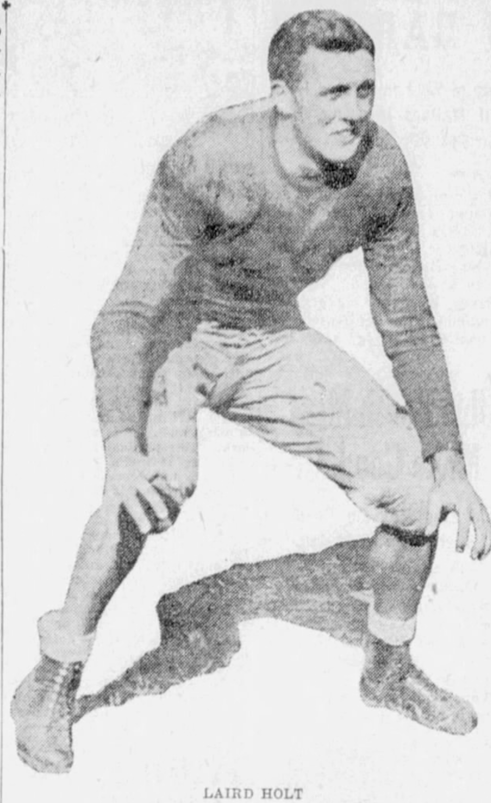
Within days, Holt changed his mind. On Sept. 9, he unexpectedly returned to Knoxville and rejoined the Volunteers, telling reporters, “I just couldn’t make myself stay away.” Holt said he would work hard to make up for the practice time he had missed.5
Holt earned his second varsity letter in 1930. Hackman also lettered that season, as did Ty Disney. Holt, Hackman and Disney — three men who would later become Greeneville High School head football coaches — were varsity lettermen together on Robert Neyland’s 1930 Tennessee team.
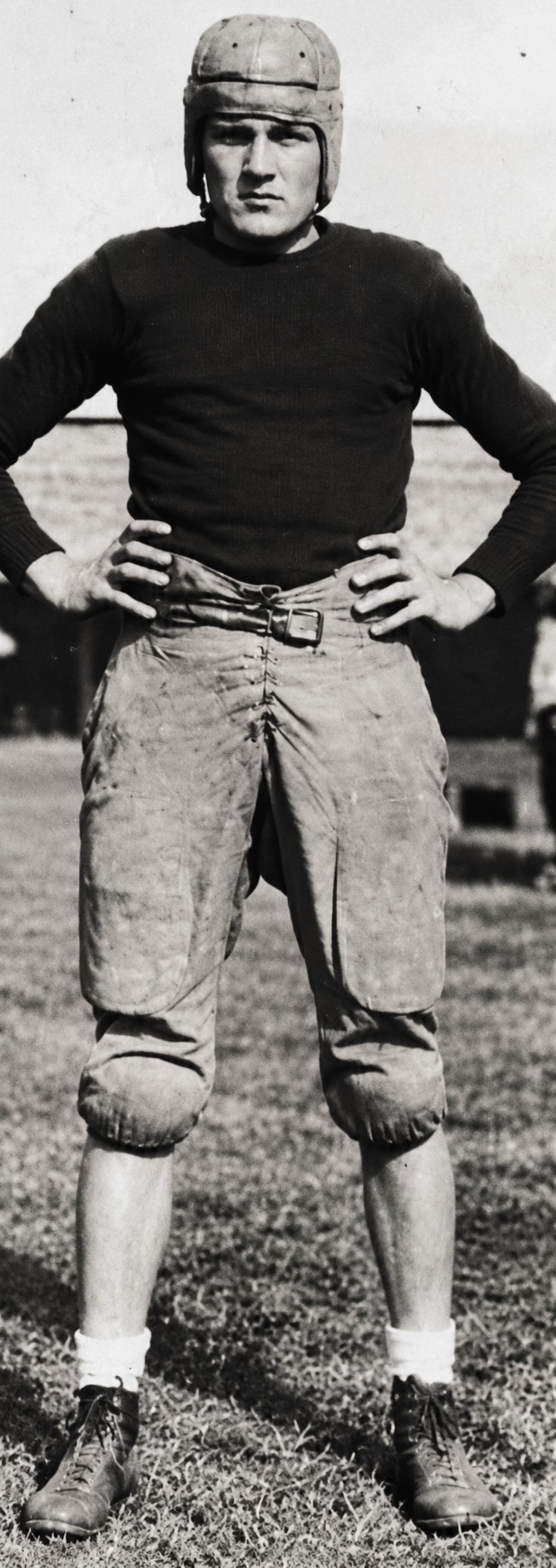
Holt’s football career nearly ended again during the offseason. In April 1931, he entered Fort Sanders Hospital for what newspapers initially described only as a major operation. He remained hospitalized for 19 days, during which he underwent surgery for a double hernia and appendicitis and had his tonsils and adenoids removed.6
Holt completed his college career on Tennessee’s undefeated 1931 team. Tennessee finished 9-0-1, allowing only 15 points all season. Holt left Tennessee with three varsity letters, earned in 1929, 1930 and 1931.7
From Player to Coach
By the spring of 1932, he had decided to enter coaching. In August of that year, Tellico Plains High School hired the 23-year-old Holt as football coach, physical education director and mathematics teacher.8
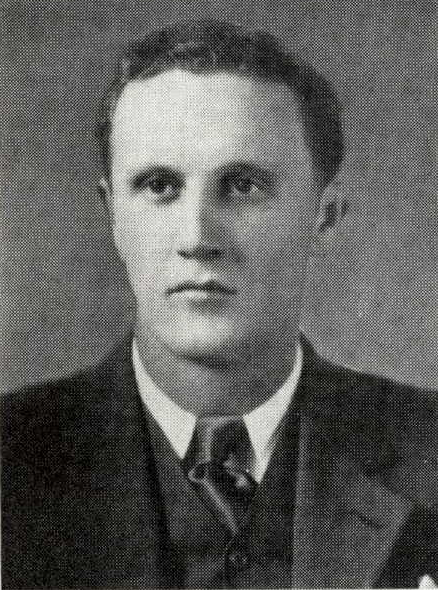
Before the season, Holt took a lighthearted shot at a former Tennessee player, telling a reporter, “My team will win at least one game. It will beat Jimmy Elmore’s Polk County High eleven.” Elmore was another former Tennessee player, and Polk County and Tellico Plains were rivals. On Sept. 23, Polk County beat Holt’s Tellico Plains team 40-0.9
The careers of Holt and his former Tennessee teammates continued to intersect. In September 1933, Holt was seriously considered to succeed Jimmy Elmore as football coach at Polk County High. Instead, Cecil Lillard became head coach and Ty Disney was hired as assistant and backfield coach. Holt and Disney, former Tennessee teammates who had entered coaching at roughly the same time, had now been considered for the same high school program.10
The following year brought another Greeneville connection. In May 1934, the Greeneville Board of Education narrowed its search for a new high school coach to four candidates. Among them were Buddy Hackman, then coaching at Lakeland High School in Florida, and Laird Holt of Tellico Plains. Both were former Tennessee players and former teammates. On June 5, 1934, Greeneville selected and announced Hackman as its new coach. Holt had therefore come close to becoming Greeneville’s coach three years before he eventually received the job.11
About a month later, Holt accepted a position as head coach at Grenada High School in Mississippi. His duties extended beyond football. He directed boys track, taught science and coached football and basketball. Later reporting credited Holt’s time at Grenada with a baseball championship and a football team that finished runner-up for a championship.12
By late 1935, Holt was back in Tennessee and active as both a coach and an official. In November, he was elected vice president of a basketball officials association organized in Memphis. He coached the Frayser girls basketball team to a Shelby County championship.
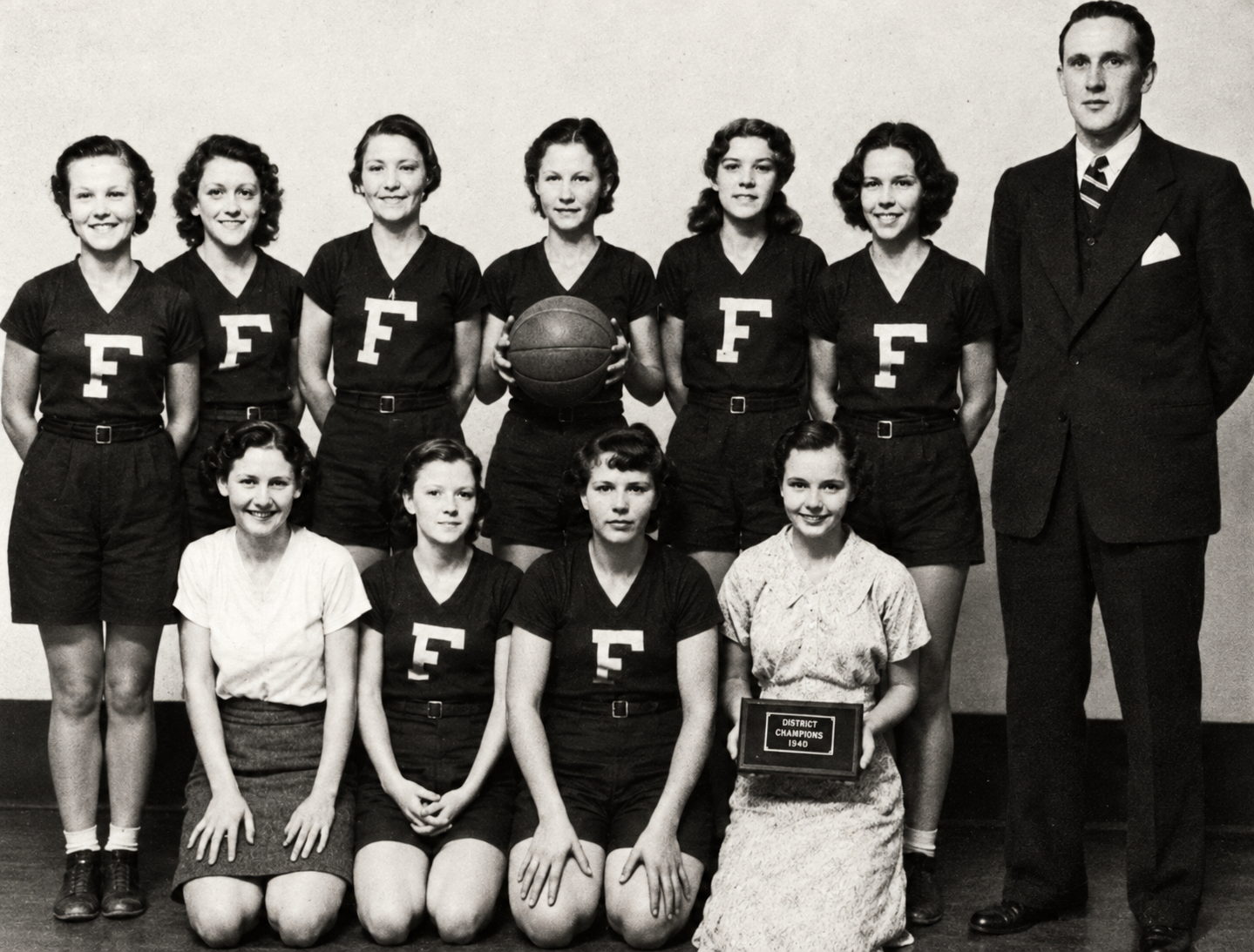
Holt was a prominent official and member of Mid-South basketball and football officiating associations. In June 1937, he was one of three applicants for a coaching position at Christian Brothers College.13
Greeneville High School
On Aug. 30, 1937, Laird B. Holt was selected to coach Greeneville High School. The Johnson City Chronicle identified him as the successor to Ty Disney. Holt formally took the Greeneville position as the 1937 season approached and also taught history and mathematics.14
Holt, Hackman and Disney had shared Tennessee’s football program under Neyland. All three had lettered on the 1930 team. Holt and Disney had been considered for the same Polk County position in 1933. Holt and Hackman had been finalists for Greeneville in 1934, when Hackman received the job. Now Holt was succeeding Disney as Greeneville’s coach.
Holt’s responsibilities at Greeneville extended beyond football. He coached both boys and girls basketball. Holt also became involved in community activities. In January 1938, he was elected teacher of the Young Men’s Class at Asbury Memorial Sunday School. In April, he was elected president of the Greeneville Softball League.
Holt continued officiating while coaching at Greeneville. In June 1938, a Johnson City Chronicle sports column sharply criticized Holt and fellow baseball umpire Al Sparks. The writer complained about their work in Appalachian League games and said conditions had reached the point where umpires required police escorts to leave games.
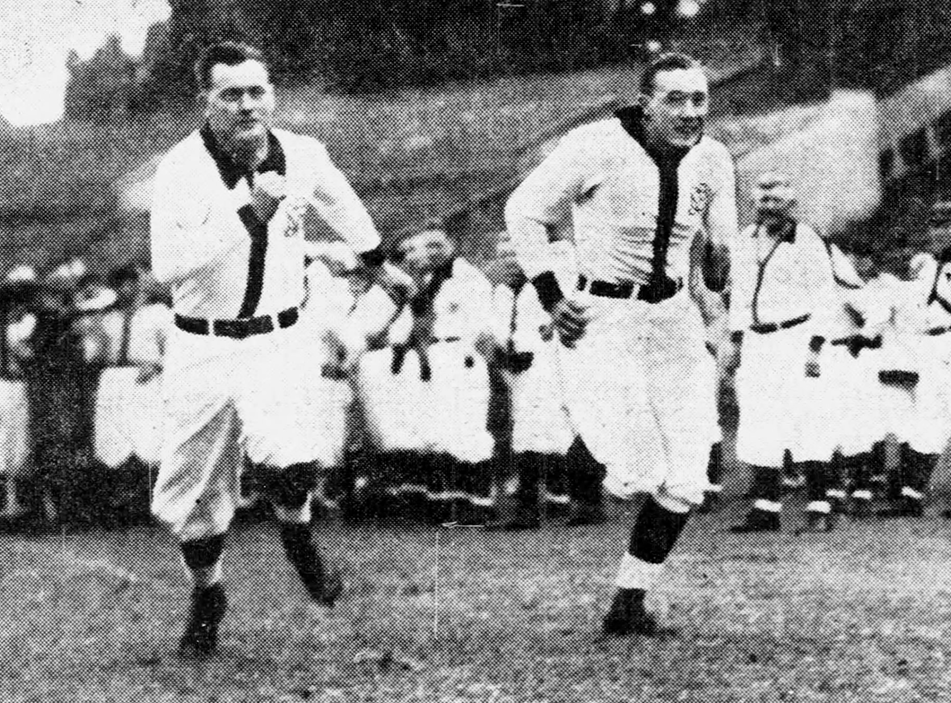
Later that month, Holt was involved in a disputed finish to a Johnson City-Kingsport baseball game. With the bases loaded and two outs in the ninth inning, a ball was hit toward first. Holt ruled a runner safe at home, apparently producing the winning run. The sequence led to a protest, and a Kingsport sportswriter subsequently reported that the protest had been upheld.15
The most serious controversy of Holt’s Greeneville tenure occurred after the Oct. 14, 1938, football game against Tennessee High of Bristol.
Bristol won 12-6. After the game, a fight broke out involving players and spectators. Accounts of the incident vary, depending on whose hometown newspaper was writing the story. Tennessee High assistant coach Eddie Esser alleged that Holt struck Bristol captain Jim Newton. The allegation appeared prominently in Bristol newspaper coverage but remained an allegation rather than an independently established fact.16
The following day, Greeneville principal F.J. Alexander and Holt issued a joint statement in The Greeneville Sun. They described emotions reaching a “fever crest” and said that after heated words, the crowd moved onto the field and a “pitched battle” developed among spectators, players and policemen. Alexander and Holt called the incident deplorable, expressed regret and apologized. Their statement neither specifically admitted nor denied the allegation that Holt had struck Newton.17
The next day, Holt was back on a football field, this time as an official. He refereed the East Tennessee State Teachers College-King College game and ejected East Tennessee State guard John Boring along with a King player following another altercation. The Johnson City Chronicle criticized Holt’s ruling as questionable and reported that it produced a wave of protests.
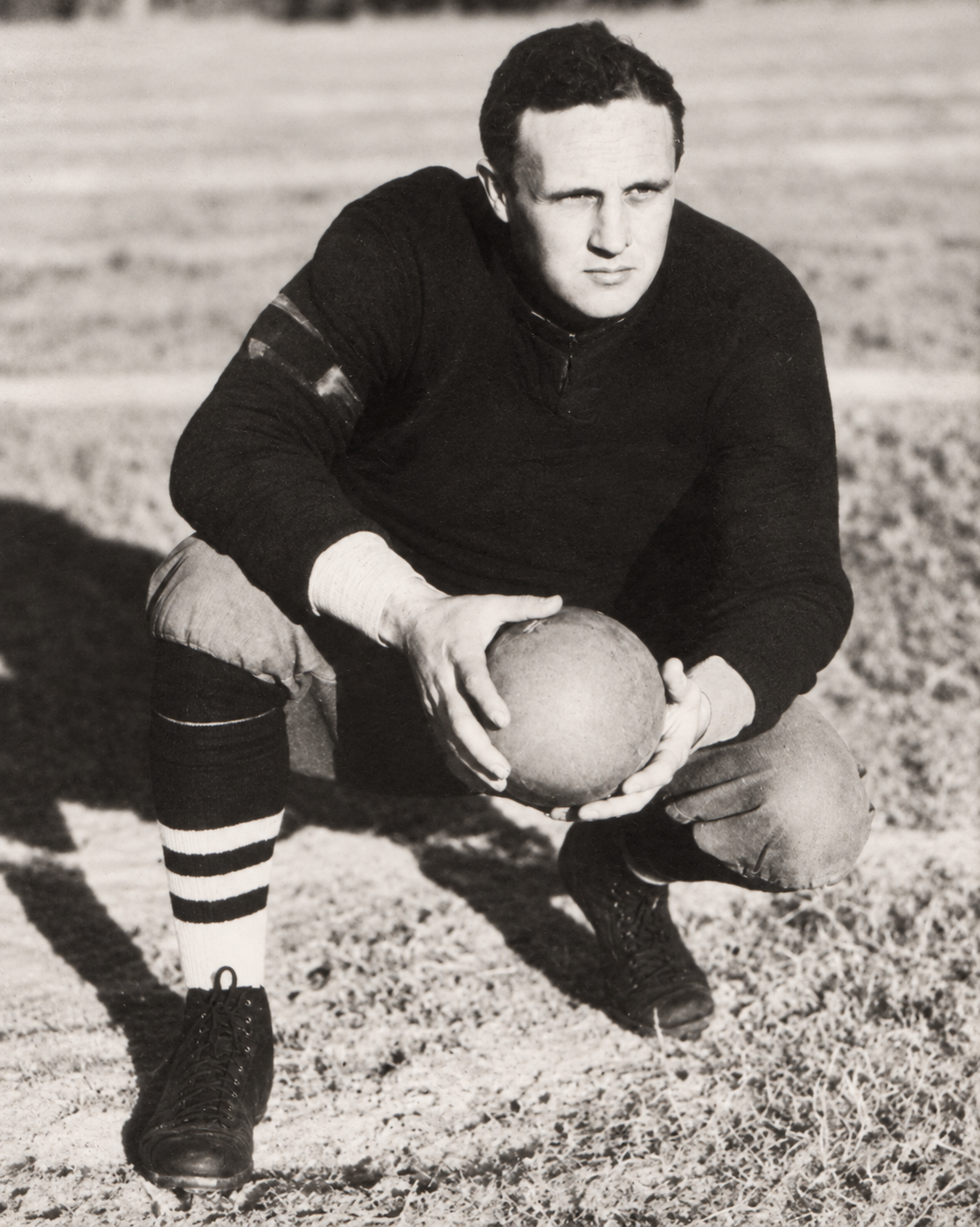
Holt remained at Greeneville through the 1939 season. Across three football seasons, 1937 through 1939, his Greeneville teams played 34 games and compiled a 19-11-4 record, a .618 winning percentage.
From Greeneville to Tusculum
By early 1940, college programs were showing interest in him. In January, Copiah-Lincoln Junior College in Wesson, Mississippi, offered Holt its head football coaching position. Holt visited the school and considered the offer. The contract would have paid him more than he was making at Greeneville, but he declined and indicated that he expected to remain at Greeneville for another football season.18
He did not.
In May 1940, Holt resigned at Greeneville to become director of physical education and athletics at Tusculum College. His responsibilities at Tusculum were broad. Contemporary reporting confirms that Holt coached football, basketball and baseball. Holt coached Tusculum football in 1940 and 1941. His 1940 team was 1-7 and his 1941 team was 3-6.
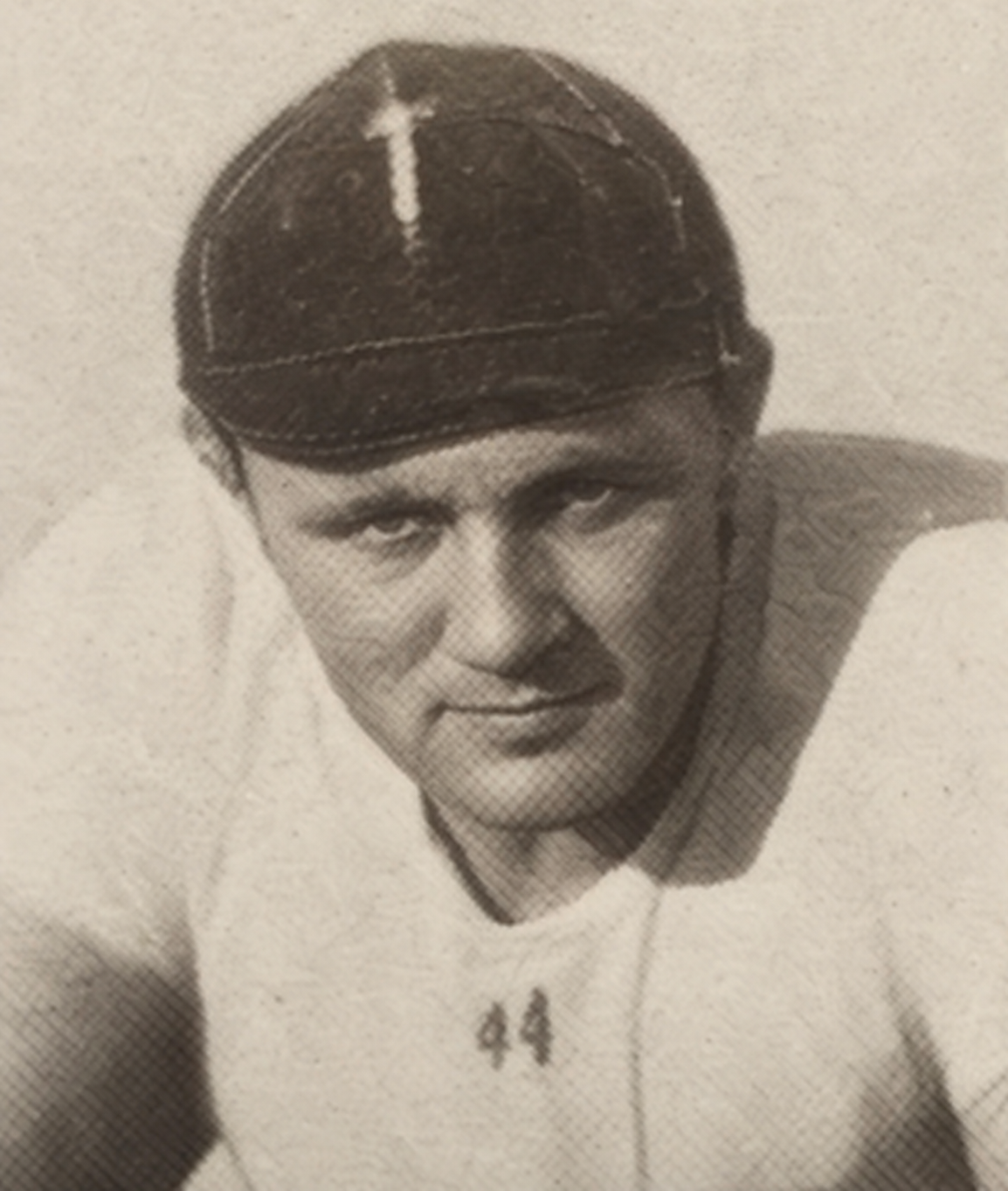
Holt’s connection with Tennessee and Neyland was always visible. In February 1939, Holt succeeded in obtaining film of Tennessee’s 17-0 Orange Bowl win over Oklahoma. Only former players for Major Neyland could get their hands on such a rarity. Holt arranged for a one-hour, 15-minute showing of the film at 2:30 p.m. at the Capitol Theatre on Sunday, Feb. 26. It was a one-time showing with limited tickets available, sponsored by the Greeneville Athletics Association, with the proceeds going into the “exhausted” athletic treasury. Admission was 35 cents for adults and 25 cents for children.
In March 1941, he arranged for Tusculum to show film of Tennessee’s Sugar Bowl game against Boston College. Once again, the difficulty of obtaining the film was evident, with a newspaper reporting that the former Tennessee player had succeeded in “wrangling this film” for a one-night showing at the Tusculum gymnasium.19
Centre College and World War II
By the summer of 1942, however, World War II was beginning to dismantle college athletic programs. Tusculum decided that it would not field a football team that fall.
For Holt, the decision was personally unusual. He told a Knoxville newspaper, “It’s going to seem strange to me,” explaining that it would be “the first time in 21 years that I haven’t either played or coached football.”20
Within weeks, that changed. Centre College in Danville, Kentucky, needed a football coach.
The appointment brought another Tennessee teammate back into Holt’s story. Quinn Decker had played fullback at Tennessee while Holt was an end. Decker later entered coaching and eventually became Centre’s head coach. Centre’s coaching staff was being reshaped by military service. DeWitt Weaver had left the program for military duty. Decker succeeded him, but in 1942 Decker was granted a leave of absence to enter the Army Air Corps as a lieutenant.
Centre then turned to Holt. On Aug. 16, 1942, Holt accepted appointment as Centre’s head football coach, acting director of athletics and associate professor of physical education. Holt regarded the move as a professional advancement. “I’m tickled to get this advancement,” he said. “It’s an honor to be selected as head coach of a school like Centre.”
At the same time, he expressed regret at leaving the area in which he had spent much of his coaching career. “Naturally, I hate to leave my friends in East Tennessee and regret leaving Tusculum,” Holt said. “My connections here have been great.”21
The move meant that Holt’s anticipated first autumn without football in 21 years never occurred. His stay at Centre, however, lasted only a few months.
On Oct. 11, 1942, while Centre was in Cincinnati for a game against the University of Cincinnati, Holt announced that he had received a commission as a lieutenant in the United States Naval Reserve. He had been ordered to report for duty in Boston on Nov. 2. An Associated Press report published Oct. 12 noted the extraordinary circumstance: Holt was the third Centre coach to enter the armed services that year.22
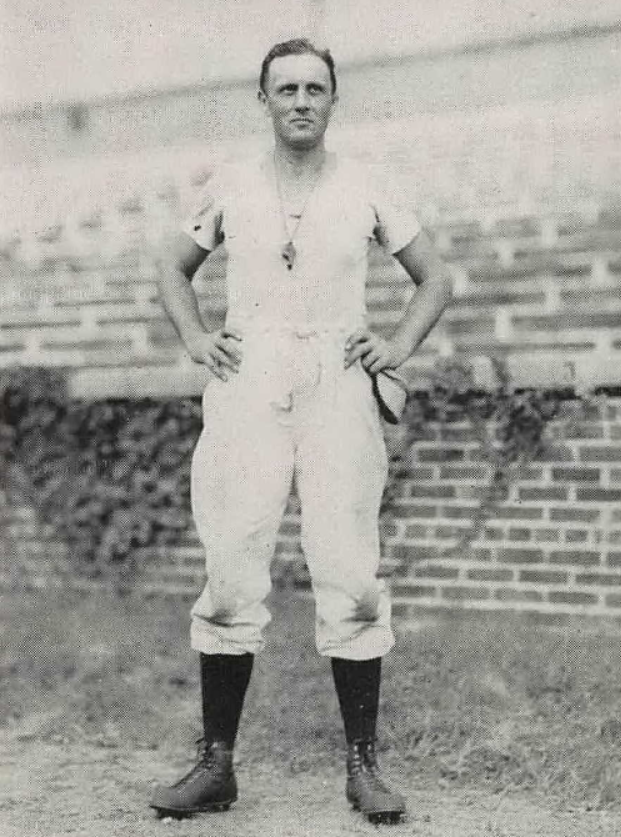
DeWitt Weaver had entered military service. Quinn Decker had succeeded him and then received leave to become a lieutenant in the Army Air Corps. Laird Holt replaced Decker and was then himself commissioned as a lieutenant in the Naval Reserve.
Holt continued coaching long enough for Centre to play several more games, but his career ended in unusual fashion. Centre traveled to Hanover for a game late in October. At the end of the first quarter, Holt had to leave the field to report for Navy service. Basketball coach and former Centre football player Paul Coop took charge as the second quarter began. Centre won 42-12. Centre’s historical account records the midgame departure, and the college’s 1943 yearbook says Coop took over at the end of the first quarter and coached through the remainder of the season.23
The yearbook described Holt’s tenure as “brief but unforgettable.” It remembered his “likable personality and dynamic drive” and said those qualities made him one of Centre’s most beloved coaches.24
Holt could not have known it when he walked off the field at Hanover, but he had coached his final quarter of football. He reported to Boston on Nov. 2, 1942. By December, he had been transferred to the Mississippi Gulf Coast and was staying with his wife, Mabel, at the Edgewater Gulf Hotel.
One More Chance to Coach
The war interrupted Holt’s coaching career, but it did not immediately end his passion for football.
On Oct. 26, 1945, while still a Navy lieutenant stationed in San Francisco, Holt was reported as a candidate for the head coaching position at Santa Clara. He did not receive the position and was discharged from the Navy.25
On Jan. 8, 1946, shortly after leaving the service, Holt was reported among the final five candidates for the head coaching position at the University of Mississippi. Ole Miss assistant coach Johnny Vaught was ultimately selected. Vaught went on to coach Ole Miss for more than two decades, and Vaught-Hemingway Stadium is named partly in his honor.26
A Second Career in California
Holt remained in California and eventually returned to another part of the sports business that he had first experienced before his coaching career began. In the summer of 1932, immediately before taking the Tellico Plains job, Holt had worked in the sporting-goods business for Knoxville businessman and former Tennessee player Herman D. “Breezy” Wynn. That experience proved useful after the war.
After leaving the Navy, Holt took a position on the staff of the Merchant Marine Academy at Coyote Point in California. He subsequently entered the athletic-equipment business, specializing in reconditioning athletic equipment, particularly football equipment. Colleges and high schools sent their equipment to the company at the end of the season. It was repaired, cleaned and prepared for use the following year.
Thus the football knowledge Holt had accumulated as a player, coach and athletic director continued to provide his livelihood even though he was no longer on the sideline. The sporting-goods work he had done immediately before entering coaching in 1932 became the foundation of his second career after the war.27
Holt remained in the athletic-equipment business for many years. He retired about 1966.
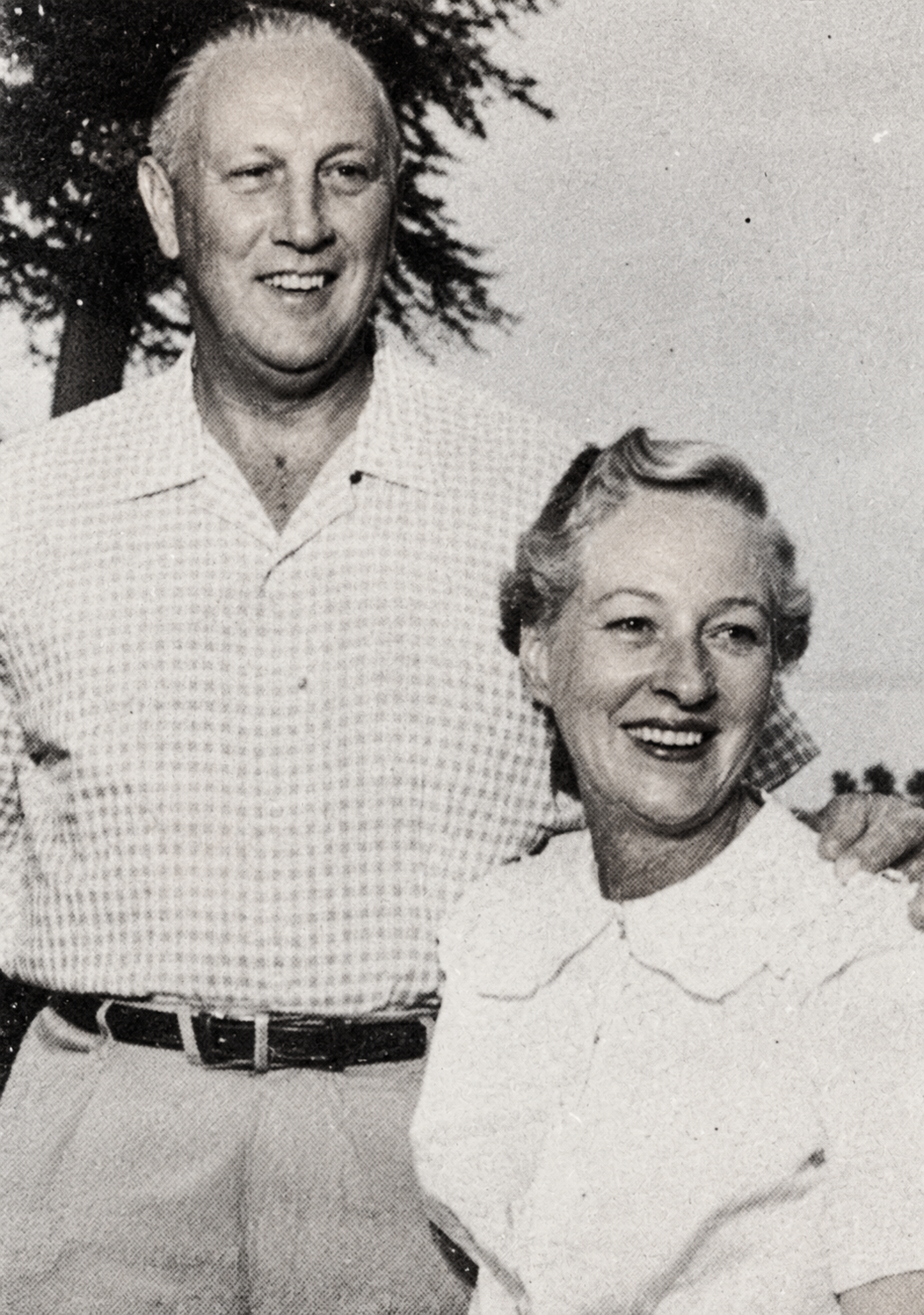
On July 3, 1969, Laird Holt died suddenly in Palo Alto, California. He was 60.
“Ex-Vol Laird Holt Dies in California,” read the headline in the July 7, 1969, Knoxville News-Sentinel. The newspaper remembered him as a “colorful and fiery end” who developed into a steady performer and described him as one of the most aggressive and spirited players of the early Neyland years.28
Holt’s graveside services were held in Franklin, Tennessee.
His life had returned to the place where his football story began.
Sources and Notes
1. Herbert Harrier Jr., “‘Tarzan’ Mantle Of Mighty Bob Holt Proves Handicap To His Brother Laird,” Knoxville News-Sentinel, Oct. 30, 1931, p. 20, Newspapers.com image 772600103.
2. “Annual Banquet for Battle Ground Team,” Nashville Banner, Dec. 12, 1926, p. 19, Newspapers.com image 604978383; “L. Holt Runs 85 Yards As B.G.A. Triumphs,” The Tennessean, Oct. 29, 1927, p. 11, Newspapers.com image 178886497; Nashville Banner, Nov. 10, 1927, p. 13, Newspapers.com image 604809531.
3. “Two Parades Staged in Abbreviated Tilt,” Knoxville Journal, Sept. 23, 1928, p. 15, Newspapers.com image 586471257; “Rats Show Speed in Short Game; Coach Uses Many Players,” Knoxville News-Sentinel, Sept. 23, 1928, p. 15, Newspapers.com image 772129356.
4. “Ray Saunders Suffers Knee Injury in Drill,” The Tennessean, Sept. 3, 1930, p. 11, Newspapers.com image 168078764; Knoxville Journal, Sept. 3, 1930, p. 11, Newspapers.com image 586432754.
5. “Laird Holt Joins Vols,” Knoxville News-Sentinel, Sept. 9, 1930, p. 16, Newspapers.com image 772619312; Bob Murphy, “Holt Adds Strength To Reserve Material,” Knoxville Journal, Sept. 10, 1930, p. 10, Newspapers.com image 586434108.
6. “Operation For Holt,” Knoxville News-Sentinel, April 8, 1931, p. 18, Newspapers.com image 772600779; “In the Hospitals,” Knoxville News-Sentinel, April 8, 1931, p. 15, Newspapers.com image 772600742; “In the Hospitals,” Knoxville News-Sentinel, April 27, 1931, p. 5, Newspapers.com image 772606160; Herbert Harrier Jr., “‘Tarzan’ Mantle Of Mighty Bob Holt Proves Handicap To His Brother Laird,” Knoxville News-Sentinel, Oct. 30, 1931, p. 20, Newspapers.com image 772600103.
7. “Football Squad,” LaFollette Press, Sept. 24, 1931, p. 3, Newspapers.com image 1146884220; “Major Neyland’s Volunteers Who Swept Over New York’s Violets,” Knoxville Journal, Dec. 6, 1931, p. 13, Newspapers.com image 586419079.
8. “Tellico Plains To Be Coached By Laird Holt,” Knoxville Journal, Aug. 24, 1932, p. 9, Newspapers.com image 586441301; “Laird Holt Signed,” Evening Herald Courier, Aug. 24, 1932, p. 6, Newspapers.com image 584842107.
9. Knoxville News-Sentinel, Aug. 28, 1932, p. 8, Newspapers.com image 772626149; “Elmore’s Team Beats Holt’s Eleven, 40-0,” Knoxville Journal, Sept. 24, 1932, p. 7, Newspapers.com image 586393146.
10. “Holt May Get P.C. High Job,” Knoxville News-Sentinel, Sept. 13, 1933, p. 10, Newspapers.com image 772706875; “Ty Disney Named Coach At Polk County High,” Knoxville Journal, Sept. 14, 1933, p. 11, Newspapers.com image 586425266.
11. “Greeneville Job Narrows Down To Four,” Knoxville Journal, May 27, 1934, p. 11, Newspapers.com image 586452517. Greeneville selected Buddy Hackman on June 5, 1934.
12. “Laird Holt Named Coach At Mississippi School,” Knoxville Journal, July 7, 1934, p. 8, Newspapers.com image 586453307; “Laird Holt To Take New Post,” Knoxville News-Sentinel, July 7, 1934, p. 6, Newspapers.com image 772623723; “Grenada Preps for Track Meet,” Clarion-Ledger, March 9, 1935, p. 8, Newspapers.com image 202672461.
13. “Three Seek Place as Coach at C.B.C.,” The Commercial Appeal, June 27, 1937, p. 20, Newspapers.com image 769285544.
14. “Laird Holt May Coach Greeneville Devils,” Johnson City Chronicle, Aug. 31, 1937, p. 7, Newspapers.com image 584710734; “New Football Coach Begins Duties Here,” The Greeneville Sun, Sept. 3, 1937, p. 1, Newspapers.com image 585680854.
15. Frank Rule, “What’s Your Guess?” Kingsport Times, June 26, 1938, p. 14, Newspapers.com image 591196109.
16. “Coach Laird Holt Accused Striking Bristol Captain,” Bristol Herald Courier, Oct. 15, 1938, p. 3, Newspapers.com image 584695844.
17. F.J. Alexander and Laird Holt, “A Statement to the Followers and Supporters of Greeneville High School,” The Greeneville Sun, Oct. 15, 1938, p. 1, Newspapers.com image 587101360.
18. “Holt Turns Down Junior College Head Coach Offer,” The Greeneville Sun, Jan. 23, 1940, p. 6, Newspapers.com image 587073993.
19. “Sugar Bowl Film Will Be Shown At Tusculum,” The Greeneville Sun, March 11, 1941, p. 6, Newspapers.com image 587076347.
20. Knoxville News-Sentinel, July 26, 1942, p. 11, Newspapers.com image 772787813.
21. Ed Harris, “Holt Is Named Head Coach At Center College,” The Greeneville Sun, Aug. 17, 1942, p. 1, Newspapers.com image 587109539.
22. “Laird Holt Is Called To Service,” The Greeneville Sun, Oct. 12, 1942, p. 1, Newspapers.com image 587049728.
23. Centre College, 1943 Olde Centre, “Coaches,” p. 46; Centre College football historical account of the 1942 season.
24. Centre College, 1943 Olde Centre, “Coaches,” p. 46.
25. “Lt. Laird Holt In Line for Coast Job,” Knoxville News-Sentinel, Oct. 26, 1945, p. 17, Newspapers.com image 772985988.
26. “Alley, Holt Are Among Candidates for Ole Miss Job,” Knoxville News-Sentinel, Jan. 8, 1946, p. 8, Newspapers.com image 773048825.
27. Bob Wilson, “Sport Talk: Laird Holt, Ex-U-T End, Followed Wynn’s Pointers; Builds Business On Coast,” Knoxville News-Sentinel, Aug. 27, 1949, p. 5, Newspapers.com image 772882736.
28. “Ex-Vol Laird Holt Dies in California,” Knoxville News-Sentinel, July 7, 1969, p. 14, Newspapers.com image 773533004.